
כְּשֵׁם שֶׁנִּכְנַס לַבְּרִית, כֵּן יִכָּנֵס לְתוֹרָה וּלְחֻפָּה וּלְמַעֲשִׂים טוֹבִים” just as he entered the covenant so too may he enter Torah, marriage and good deeds”.
These words of blessings are said twice at the brit of every Jewish boy. Unlike the other parts of the brit which are said by the mohel, the father and those honoured to name and bless the newborn, these words are said by all in attendance. The simple meaning of this prayer is that just as the child entered the covenant through the rite of brit milah, he should merit to study and observe Torah, marry and perform many good deeds.
At the same time the introductory word, k’shem, can be understood not only as “just as” but “in the same way”. In the same way that you entered the covenant, in that same way you should enter Torah, marriage and good deeds[1]. What though is that “way”?
One might suggest that at a brit one has so many dreams for this child. Nothing is out of reach. The potential is unlimited, and the hopes are sky high. K’shem is a prayer that this child should reach his potential and live up to our - and his - dreams. That is done through Torah, embracing and following the greatest guidebook to life, marriage, where we share our dreams and our very life with another and by “paying it forward” with good deeds, as we focus on using our energy to help others.
As this new Jewish child enters the covenant, we link not only to our past, to our patriarchs and matriarchs, but look forward to the future, praying that this child should lead a life that makes one worthy of being the link from the past to the future.
I would like to suggest another idea. After the mohel performs the brit, the father makes the blessing thanking G-d “who has commanded us to bring him into the covenant of Abraham, our forefather”. It is at this point that all respond k’shem, just as - or the same way - he has entered into the Covenant, so may he enter into Torah, into marriage, and into good deeds.
The Torah does not tell us why G-d appeared to Avraham (Abram at the time) and told him to leave “his county, his birthplace and his household to a place that I will show you”. Nor does the Torah tell us why G-d entered into two covenants with Avraham, the first promising progeny and inheritance of the Land and the second the covenant of circumcision. For what purpose, we wonder, was Avraham chosen?
It is only when G-d is contemplating the destruction of Sedom that we hear His inner thoughts! “And the Lord said [to Himself], Shall I hide from Avraham that thing which I intend to do…For I know him, that he will command his children and his household after him, and they shall keep the way of the Lord, to do tzedakah umishpat, justice and righteousness” (Breisheet 18:17, 19). The covenant with Avraham Avinu, one entered into at the brit, was originally established with the intent that parents would teach their children tzedakah umishpat. This yearning for justice must be for all. It is precisely when dealing with those whose way of life we disagree with, even abhor, that the call for justice must be loudest. Justice at times may demand destruction but only after all other avenues have been explored.
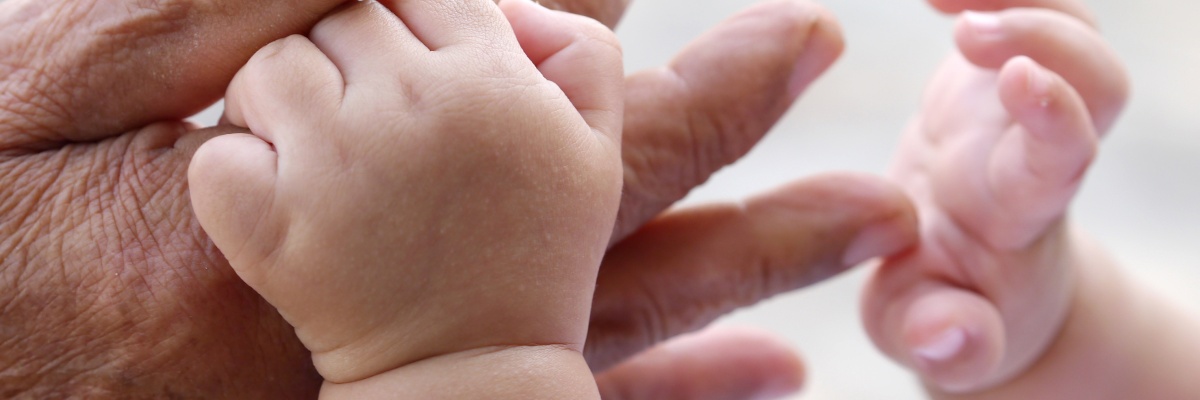
Parents stand over their beloved newborn child. They bless G-d for being given the opportunity to bring their child into the covenant of Avraham Avinu, to raise him to a life of tzedakah umishphat. All assembled respond with the prayer that tzedakah umishpat shall accompany this child throughout his life. Through Torah, chuppah and maasim tovim he actualizes the covenant of tzedakah umishpat. This idea is expressed again as the one bestowing a name upon the newborn says “זֶה הַקָּטָן גָּדוֹל יִהְיֶה, this young one shall become big” and all respond כְּשֵׁם שֶׁנִּכְנַס לַבְּרִית, כֵּן יִכָּנֵס לְתוֹרָה וּלְחֻפָּה וּלְמַעֲשִׂים טוֹבִים
I write these words today as this past week we were blessed to celebrate the brit of our grandson Baruch Shalev || Bennett Shalev. At the same time we read this week in parshat Shoftim the clarion call of tzedek, tzedek tirdof, justice, justice you shall pursue. Tzedek is the only mitzva the Torah tells us that we must run after[2]. Tzedek, tzedek, we must run and run again for tzedek is the hallmark of the Jew. May we all merit to live by and teach others that calling.
[1] In similar vein some explain the Mishnaic teaching “ חַיָּב אָדָם לְבָרֵךְ עַל הָרָעָה כְּשֵׁם שֶׁהוּא מְבָרֵךְ עַל הַטּוֹבָה that one should bless G-d for bad k’shem, in the same manner that one does for good, with joy and happiness. That is a definition that makes fulfilling this dictum next to impossible and may not even be theologically correct. I think for most, perhaps all, the more proper definition is just as we bless G-d for good we “bless” i.e. acknowledge G-d for the bad but the feelings and emotions are very different.
[2] We must bakesh shalom ve’radfeihu, seek peace and run after it, however that verse is from the Psalms.